
Why So Many Women Feel Confused About Food After 40
Food can feel incredibly confusing for women in perimenopause.
We know we “should” eat healthier with more protein and less processed food.We know we want more energy, better moods, and weight loss.
But most women honestly don’t know where to start.
And I think one of the biggest reasons why food feels so complicated is because our relationship with food starts long before we ever begin trying to “eat healthy.”
It starts in childhood.
The Way I Grew Up Eating
I grew up in the late 70s and early 80s in the United States, and let’s just say nutrition looked very different for me back then.
My typical breakfast was cereal in front of the TV while watching cartoons like Garfield or She-Ra: Princess of Power before school.
My mom had a junk food drawer in our kitchen that was fully stocked with:
Twinkies
Ding Dongs
Hostess cupcakes
chips
all the sweet treats
My friends loved coming over because they loved our junk food drawer.
That kind of eating was normal for me.
Lunches were usually sandwiches, chips, and a dessert packed in my lunchbox. Dinner was home-cooked meals, but I remember we mostly ate canned vegetables instead of fresh ones.
Looking back now, it honestly makes so much sense why I struggled with mood swings, anxiety, low energy, and feeling “blue” as a kid.
My blood sugar was probably all over the place. Blood sugar is the amount of fuel in your bloodstream. Your brain runs mostly on that fuel. When Blood sugar is steady, you feel calm. When it drops too low, your brain senses danger, and your mood, energy, and emotions can shift quickly.
But nobody talked about blood sugar back then. Nobody talked about hormones.Nobody talked about how food impacts your mood, energy, anxiety, or mental health.
Food Is More Than Fuel
One thing I’ve learned over the years is that food is deeply emotional for most of us. Food is often tied to comfort, celebration, connection, love, reward, and tradition. It’s connected to birthdays, holidays, family gatherings, childhood memories, and even how we cope with stress or difficult emotions.
For many women, food is about so much more than just fuel. And many of our beliefs around food started when we were children.
I think about my own family and how food was often connected to love and celebration.
My dad used to spoil my daughter with Go-Gurts when she was little because he thought yogurt was healthy, and it made him happy to treat her.
My mother-in-law loves to bake for people she loves.
So many of us grew up learning that food equals comfort, celebration, and reward. Think about how often we hear things like, “You were so good today, let’s get ice cream,” or “You worked hard, you deserve this treat,” or “We’re celebrating, let’s eat.”
Over time, those messages become deeply ingrained in us, and we start associating food not just with hunger but also with emotions, achievements, comfort, and connection.
The Relationship We Have With Food Matters
One thing I really encourage women to think about is this:
What messages did you receive about food growing up?
Were you labeled a “good eater” or a “picky eater”?Was food used as comfort?Was someone in your home constantly dieting?Did you feel guilt around food?Do you now reward yourself with food when stressed or emotional?
Because these patterns often follow us into adulthood without us even realizing it.
I know for me personally, I’m a stress eater.
When I feel overwhelmed, my brain immediately wants something salty or chocolatey.
And now I’ve learned to pause and ask myself:“What do I actually need right now?”
It’s often not food, but rest.
Why We Crave Sugar and Comfort Foods
There’s also a biological reason we crave sweet foods.
From an evolutionary perspective, sweet foods signaled quick energy and safety. Fruit and other carbohydrates provided our ancestors with fast fuel for survival.
So yes, our brains are wired to want those foods.
And then we layer emotions, stress, celebrations, routines, and conditioning on top of that.
Movie theater popcorn.Hot dogs at baseball games.Bread baskets at restaurants.Dessert after dinner.
So much of eating becomes automatic behavior and emotional conditioning.
Why Restriction Often Backfires in Perimenopause
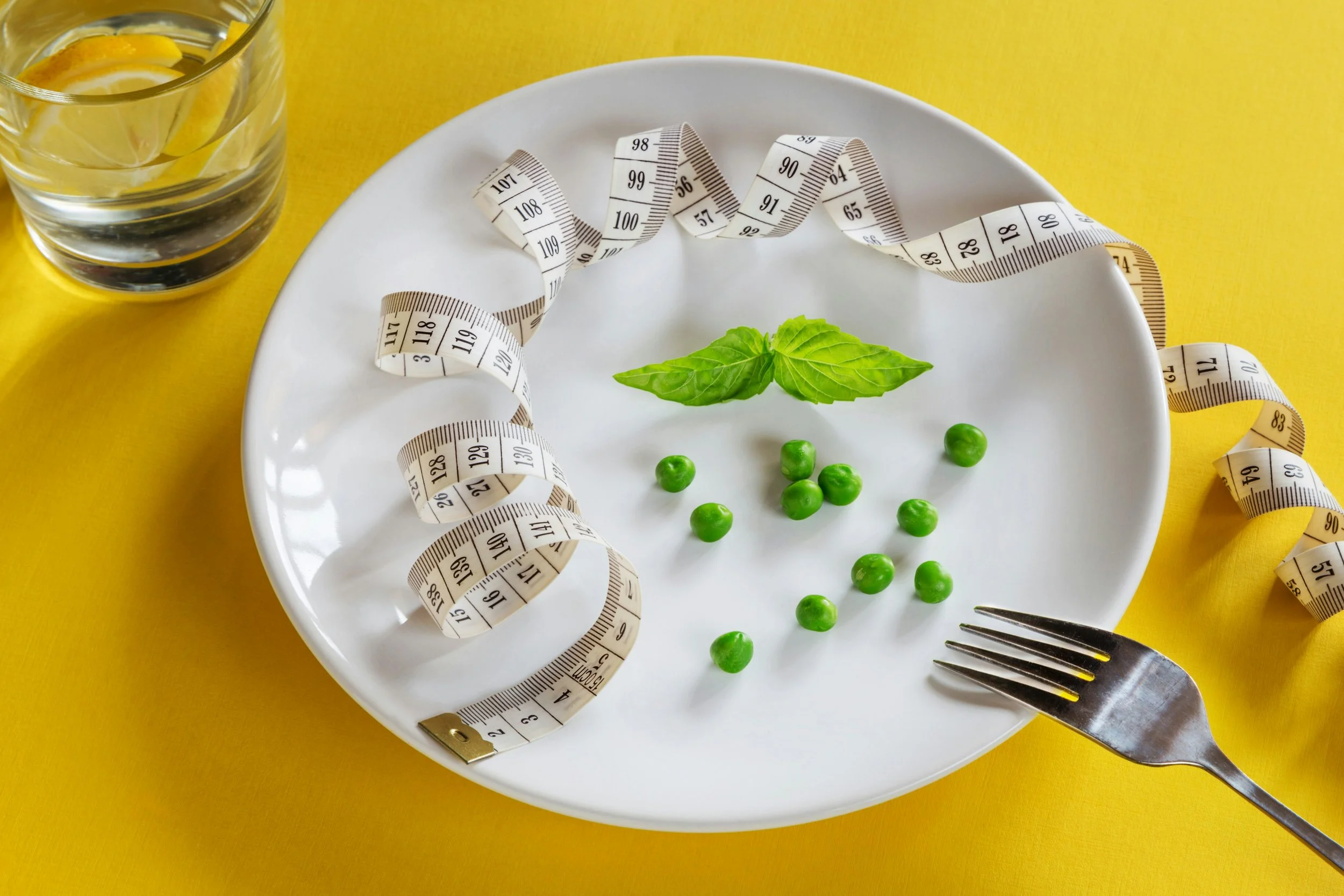
One of the biggest things I’m seeing right now, especially with the rise of GLP-1 medications and constant weight loss messaging online, is women becoming terrified of food.
So many women are restricting more, eating less, fearing carbs, skipping meals, obsessing over calories, and constantly feeling guilty around food choices. I personally don’t think that approach is helping women feel better. In many cases, it’s leaving women feeling more stressed, more exhausted, more anxious, and even more disconnected from their bodies.
In perimenopause, many women are already under-fueling their bodies.
And when we over-restrict food:
cravings increase,
stress increases,
blood sugar becomes unstable,
moods worsen,
energy crashes,
and the body often holds onto weight even harder.
Restriction often creates the exact cycle women are trying to escape.
Why I Teach the Balanced Plate Method
This is exactly why I teach the Balanced Plate Method inside my programs.
It’s a simple and realistic approach that focuses on adding nourishment instead of obsessing over restriction.
The goal is to build meals around:
protein,
fiber,
healthy fats,
and whole food carbohydrates.
Most women are simply not eating enough protein.
Why Protein Matters So Much in Perimenopause
Protein is about so much more than building muscles.
When hormones begin fluctuating in perimenopause, it impacts neurotransmitters like serotonin and dopamine, the brain chemicals connected to mood, calmness, and emotional stability.
Protein provides the building blocks your brain needs to make those “happy messengers.”
Without enough protein, women often experience:
mood swings,
irritability,
anxiety,
energy crashes,
cravings,
feeling “hangry,”
and poor stress tolerance.
Protein helps support:
stable moods,
energy,
hormones,
metabolism,
muscle health,
and blood sugar stability.
And when women finally start eating enough of it, they often feel dramatically better.
Blood Sugar Stability Changes Everything
One of the biggest reasons the Balanced Plate Method works is because it helps stabilize blood sugar. When blood sugar is stable, energy stays steadier, cravings calm down, moods improve, anxiety decreases, and women stop constantly thinking about food all day long.
You shouldn’t feel ravenous an hour after eating a meal, and if you do, it’s often a sign that your meals may be lacking enough protein, fiber, or healthy fats to properly fuel and satisfy your body.
Start With One Small Shift
One thing I want women to hear clearly is this:
I am not telling you to never eat dessert again.I am not telling you to never have chips.I am not telling you to obsess over every bite you eat.
That’s not sustainable.
Instead, I encourage women to start with nourishment first.
Build the balanced plate first. Eat the protein and fiber first.
And then notice how your body feels.
Pay attention to:
how your energy feels,
how your mood feels,
whether you’re crashing in the afternoon,
whether you’re constantly craving sugar,
and how long you stay full after meals.
Because when your body is truly nourished, cravings often naturally become quieter.
Want Help Getting Started?
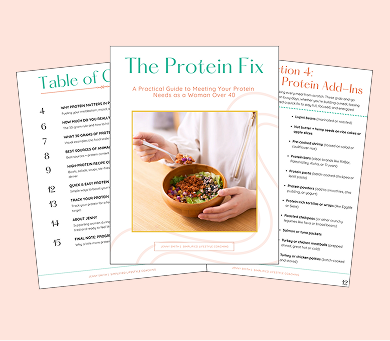
If you want an easy way to start following the Balanced Plate Method, I created a free protein guide to help you.
Inside the guide, I show you:
what 30 grams of protein actually looks like,
simple balanced meal ideas,
quick protein-packed snacks,
and easy ways to increase protein without spending hours cooking.
It’s designed specifically for busy women over 40 who want more energy, more stable moods, and better hormone support without overcomplicating nutrition.
You can download the free Protein Fix Guide and start taking small steps toward feeling better in your body today. 💛

Hi there, I’m Jenny
I’m a Board Certified Functional Medicine Health Coach, podcast host, wife, mom of two teens, and lover of nature, farmers' markets, and a really good cup of coffee. After struggling with weight gain, anxiety, low energy, and brain fog after turning 40, I discovered a simpler, more sustainable approach to health through functional medicine and lifestyle changes. Now, I help women over 40 navigate perimenopause with realistic strategies that support hormones, energy, mood, sleep, and confidence, so they can finally feel like themselves again.
Grab The Protein Fix Guide
START FUELING YOUR BODY WITH WHAT IT ACTUALLY NEEDS AFTER 40.