
Estrogen in Perimenopause: Why You Feel So Different Lately

If you’ve been feeling emotionally all over the place lately…more anxious,more irritable,more exhausted,less motivated,or just not like yourself altogether…
There’s a very good chance estrogen fluctuations are playing a role.
One of the biggest things I want women to understand is this:
Your hormones impact so much more than just your reproductive system.
They affect:
your mood
your energy
your motivation
your sleep
your brain
your stress resilience
your metabolism
and even how connected you feel to yourself
And when estrogen starts fluctuating during perimenopause, it can feel like your entire system is sending mixed signals.
What Estrogen Actually Does
I like to think of estrogen as:
your energy hormone
your stimulating hormone
your lubricating hormone
While progesterone tends to be more calming and grounding, estrogen helps regulate:
motivation
focus
mood
happy neurotransmitters like serotonin and dopamine
So when estrogen becomes too high, too low, or wildly fluctuates, that’s when things can start feeling a little chaotic.
And that’s why so many women suddenly feel like they don’t recognize themselves anymore.
What Low Estrogen Can Feel Like
Low estrogen often feels like depletion.
Women commonly describe it as:
flat mood
exhaustion
low motivation
brain fog
feeling emotionally “blah”
feeling disconnected from themselves
And physically, it can show up as:
hot flashes
night sweats
vaginal dryness
joint pain
thinning hair
dry skin
sleep disturbances
increased UTIs
weight gain around the middle
One thing I personally started noticing was joint pain.
I was hiking with friends, and suddenly my knees were hurting, even though I’d never really had knee issues before.
That’s one of those things women often don’t connect back to hormones.
Frozen shoulder is another very common symptom connected to estrogen decline.
Why Estrogen Impacts So Many Areas of the Body
Estrogen helps support many important functions in the body, including the production of serotonin and dopamine, which influence mood, motivation, and emotional well-being. It also supports healthy blood flow to the brain, collagen production for skin elasticity and a more youthful appearance, bone health, and the health and lubrication of vaginal tissues.
This is why women may suddenly notice more wrinkles, droopier skin, dryness, brain fog, emotional flatness, weaker bones, and mood changes as estrogen levels begin to decline during perimenopause and menopause. Annoying, I know.
And one of the most frustrating symptoms for many women is the weight gain around the belly that often happens as estrogen declines.
But you haven’t changed anything, yet your body is changing, and that is incredibly discouraging.
The “I Don’t Care” Phase
One thing I joked about is I’m in my “IDAF phase.” 😂
You know that phase where you suddenly don’t want to:
socialize
go anywhere
tolerate nonsense
overextend yourself anymore
There’s actually a hormonal reason for some of that.
When estrogen drops, many women feel flatter emotionally and less socially driven than they used to.
Things that once excited you suddenly feel exhausting.
What High Estrogen Can Feel Like
Now, on the flip side, high estrogen can create a very different set of symptoms.
This may look like:
bloating
water retention
breast tenderness
heavy periods
mood swings
headaches
migraines
anxiety
fibrocystic breasts
weight gain around the hips and thighs
For me personally, moodiness and irritability around my cycle were huge symptoms in earlier perimenopause years when estrogen fluctuations were more intense.
Why You Feel Like You’re on an Emotional Roller Coaster
One of the reasons perimenopause feels so emotionally intense is because progesterone and estrogen are supposed to work together.
In early perimenopause:
progesterone usually starts declining first
estrogen starts fluctuating wildly up and down
And when those hormones are out of sync? Women feel:
anxious
irritable
emotionally reactive
exhausted
emotionally overwhelmed
unlike themselves
Your nervous system is trying to keep up with constantly changing chemistry.
The Symptoms Can Feel Similar, But Different
One thing that makes hormones so confusing is that low progesterone and low estrogen can sometimes look similar.
For example:
Low Progesterone Often Feels Like:
anxiety
irritability
poor sleep
feeling wired and tired
breast tenderness
heavier periods
Low Estrogen Often Feels Like:
flat mood
sadness
depletion
night sweats
vaginal dryness
lighter periods
brain fog
loss of motivation
And because hormones are constantly fluctuating in perimenopause, symptoms can change week to week, and sometimes even day to day.
Your Hormone Fluctuations Are Not Your Fault
I think one of the most important things women need to hear is this:
You are not failing because your body is changing in midlife.
You are not weak because stress feels harder, or lazy because your motivation changed.
Your hormones are shifting and that impacts almost everything.
Ways to Support Estrogen Naturally
The good news is that there are things you can do to help support your body during this transition.
Some foundational things that can help include:
Supporting Liver Health
Your liver helps process and clear excess estrogen from the body.
Some helpful foods include:
leafy greens
broccoli
kale
arugula
lemon water
Stabilizing Blood Sugar
This one matters so much for mood and hormones. Blood sugar is simply the amount of fuel in your bloodstream. Your brain runs mostly on that fuel. When Blood sugar is steady, you feel calm. When it drops too low, your brain senses danger, and your mood, energy, and emotions can shift quickly.
That means:
eating enough protein
not skipping meals
reducing ultra-processed foods
limiting excessive sugar and refined carbs
Lowering Stress
Your nervous system needs support during this season.
Simple things like:
walking
breathwork
getting outside
going to bed earlier
slowing down
can make a bigger difference than many women realize.
You Are Not Crazy
If you’ve been feeling emotionally different lately such as more exhausted, less resilient, more forgetful, less motivated, or unlike yourself…
Please know this:
There is likely a hormonal reason behind what you’re experiencing.
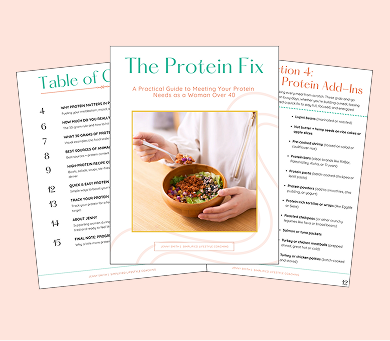
If you’re ready to start supporting your hormones with what they actually need, download my free Protein Fix Guide. Inside, I’ll show you simple ways to increase your protein, balance blood sugar, improve energy, and feel more satisfied throughout the day, without overcomplicating your life. DOWNLOAD FREE PROTEIN GUIDE HERE

Hi there, I’m Jenny
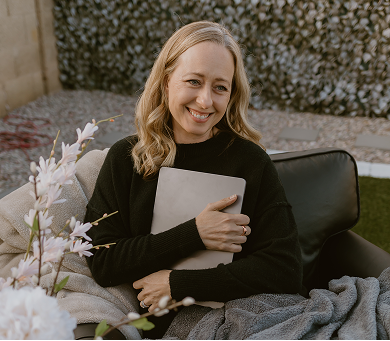
I’m a Board Certified Functional Medicine Health Coach, podcast host, wife, mom of two teens, and lover of nature, farmers' markets, and a really good cup of coffee. After struggling with weight gain, anxiety, low energy, and brain fog after turning 40, I discovered a simpler, more sustainable approach to health through functional medicine and lifestyle changes. Now, I help women over 40 navigate perimenopause with realistic strategies that support hormones, energy, mood, sleep, and confidence, so they can finally feel like themselves again.
Grab The Protein Fix Guide
START FUELING YOUR BODY WITH WHAT IT ACTUALLY NEEDS AFTER 40.